About us
A factory, not a trading company.
Since 2014, we have designed and built electric cargo food carts in Yongkang — China's hardware capital. Everything from tube cutting to final QC happens under our own roof.
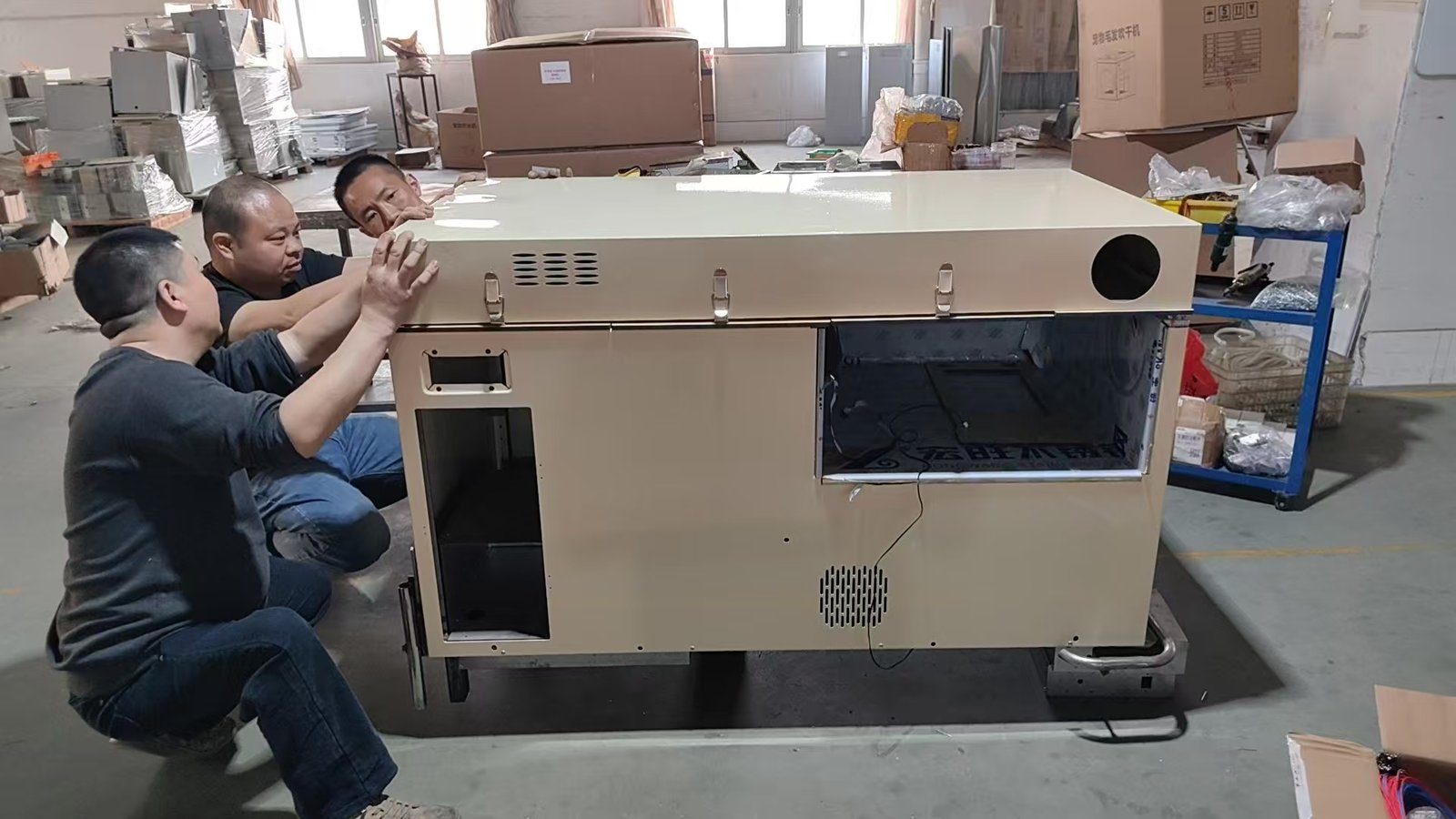
Workshop floor
12,000 m² · 3 production bays · 1 wet-test bay
Our story
Ten years of welding, then a pivot to food.
MAG-STAR CHEF started in 2014 as a six-person welding shop in Yongkang — the small Zhejiang city that makes most of the world's metal hardware. For four years we built steel frames for other people's brands. In 2018 a German street-food client asked us to make a single tricycle food cart and the work never stopped.
We keep the discipline of a contract welder and the curiosity of a kitchen designer. Every chassis is still jig-welded by name; every cart still leaves the line with a wet-test record and a load report. That is why a buyer in Berlin and a franchise rollout in São Paulo can trust the same factory.
2014
Founded
18
Engineers
12,000 m²
Factory floor
24
Patents filed
2014
Founded
12,000 m²
Factory area
1,200 units
Annual capacity
60+
Export markets
Our journey
From Workshop to World Stage.
Founded
Started as a welding workshop serving local hardware manufacturers in Yongkang, China's hardware capital.
First Food Cart
Produced the first pedal-assist electric cargo food cart for a European street-food brand.
ISO 9001 Certified
Implemented full quality management system with IQC, IPQC and OQC stations.
Expanded Factory
Moved to 12,000 m² facility with dedicated tube cutting, welding, assembly and wet-test bays.
Global Reach
Surpassed 60 export markets across Europe, North America, Asia Pacific and Middle East.
Patent Portfolio
Filed 24 patents covering chassis design, modular body systems and battery integration.
Why Yongkang
Built in China's hardware capital.
Yongkang produces the majority of the world's metal hardware — hinges, locks, frames, tubing. That supply density matters for us: galvanized tube, CNC plate and powder-coating capacity sit within a 10 km radius, lead times stay short, and every link in the chain is a neighbour, not a stranger.
- Direct access to tube mills, plate fabricators and powder-coating lines
- Two container ports within 4 hours (Ningbo-Zhoushan, Shanghai)
- Skilled welding workforce trained on industrial production lines
- Component vendors within a 10 km radius for fast prototyping
4 h
To nearest container port
10 km
Radius of full supplier base
≈ 60%
World hardware share from this region
2
International airports within 2 h
Manufacturing Excellence
Built like an industrial product.
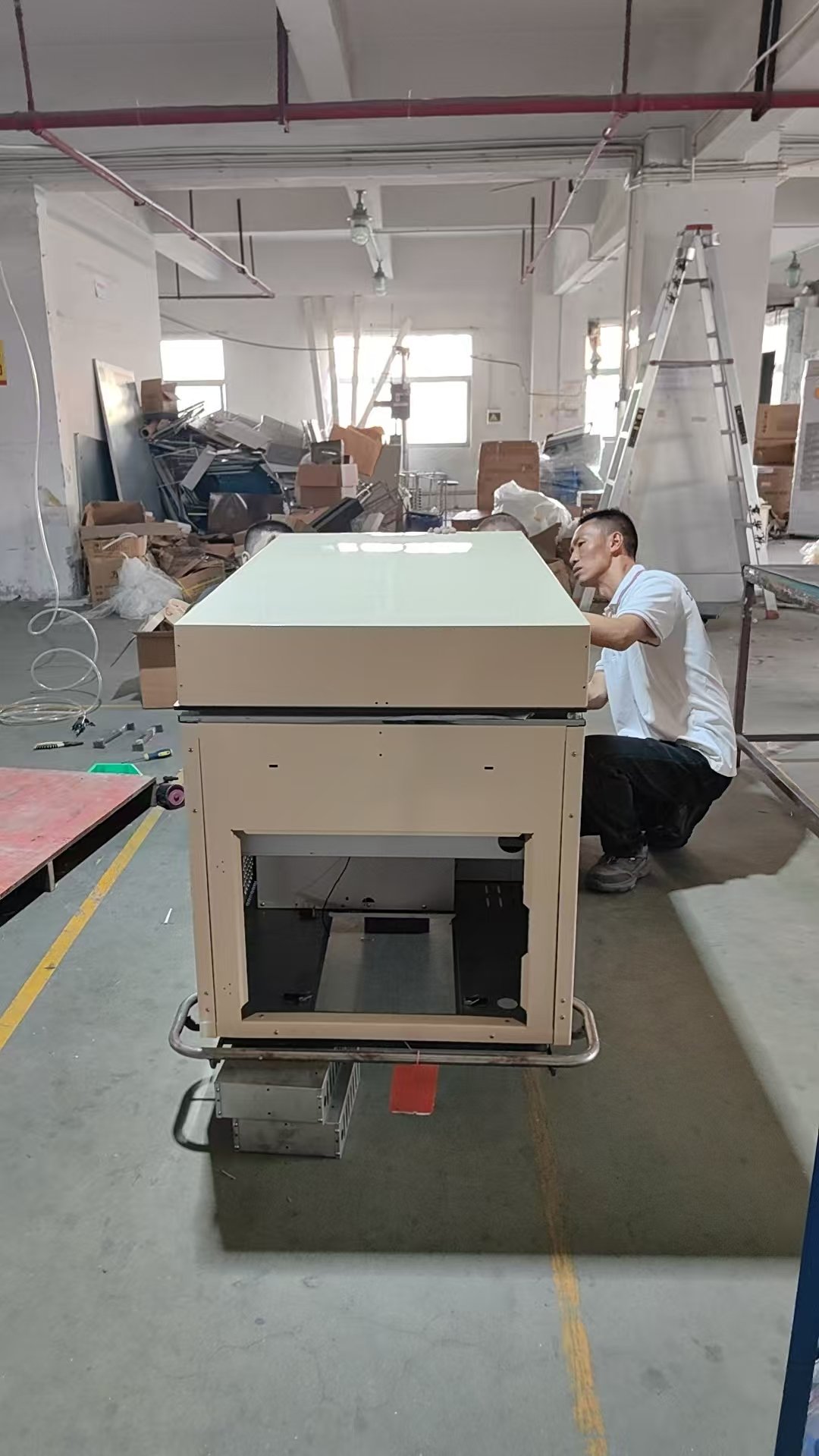
Our production line is designed around consistency, not speed. Every chassis is welded from galvanized steel tubing on jigs, then sent through surface treatment, wet testing, electrical QC and final inspection before flat-pack loading.
- ISO 9001 process control with IQC / IPQC / OQC stations
- In-house wet test bay for water and electrical systems
- Batch welding records kept for every chassis
- Photographed loading plans for every container
Capabilities
What we do under one roof.
12,000 m²
Tube Cutting & Welding
Galvanized steel chassis welded on precision jigs with batch traceability.
CNC Machined
Body & Panel Fabrication
Appliance cutouts, panel bending, insulation and surface treatment in-house.
1,200 units/yr
Assembly & QC
Wet testing, electrical safety checks and road testing before packing.
60+ markets
Export Documentation
CE, UKCA, UN38.3 docs, commercial invoices and customs-ready packing lists.
How every cart is checked
Six QC stations. One signed-off record.
Every cart passes through six quality-control stations with batch records, photographic evidence and a final signed checklist. The same record goes into the export file and is available to buyers for audit.
IQC
1. Incoming Quality Check
Every batch of galvanized tube, plate, fasteners and electrical component is checked on receipt against the procurement spec. Substandard lots are rejected before they reach the line.
IPQC · Weld
2. Welding Inspection
Chassis jigs carry serial plates. Each weld is visually checked, then the chassis is dimensionally measured against the master jig. Records are filed under the batch number.
IPQC · Finish
3. Surface Treatment QC
Powder-coat thickness, adhesion and color are verified at the finish bay. Carts that do not pass are stripped and re-coated before they ever see appliance hardware.
IPQC · Electrical
4. Electrical & Safety Check
Loom continuity, ground resistance, RCD trip and insulation resistance are logged per cart. Voltage and plug type are verified against the destination market.
OQC · Wet
5. Wet-Test Bay
Carts with sinks, pumps or refrigeration are run on a full water cycle in our wet-test bay. Leaks, drainage, pump performance and chiller set-points are recorded.
OQC · Final
6. Final Inspection & Sign-off
A signed checklist — including the matching serial, load report and packing photo — is filed before the cart is wrapped, crated and loaded.
Global Reach
Shipped to 60+ countries.
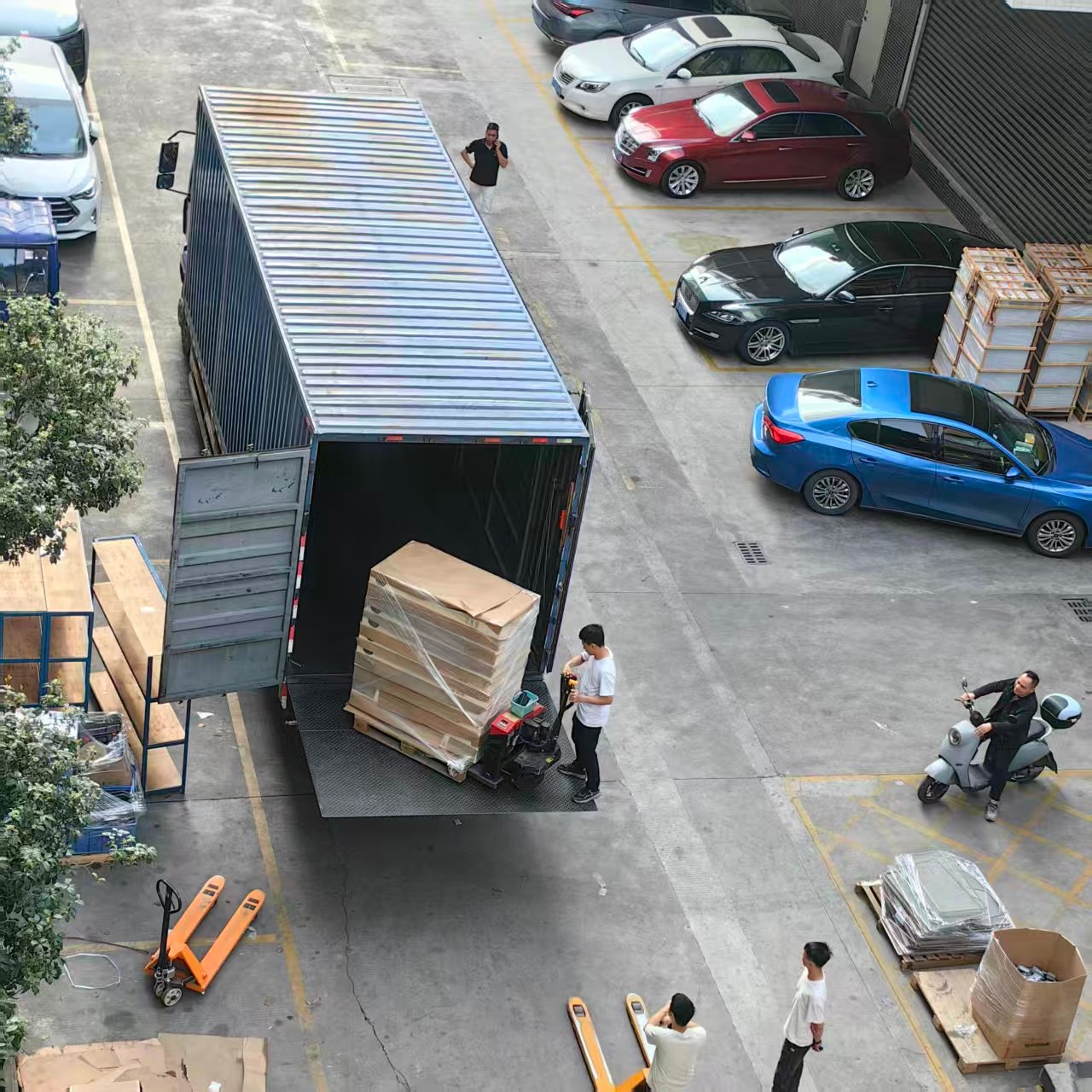
From a single cart for a startup in Berlin to a 50-unit fleet for a franchise rollout in São Paulo, we have delivered to every major market on five continents. Our flat-pack loading keeps freight costs predictable and damage rates near zero.
And 50+ more markets worldwide.
Certifications & compliance
Paperwork done before your freight quote.
Our carts ship with the documents your customs broker, port health officer and franchise insurer are going to ask for. We update the pack as regulations change and re-test whenever a new component is introduced.
CE Self-check
Machinery Directive 2006/42/EC, Low Voltage Directive 2014/35/EU, EMC 2014/30/EU. Test reports from accredited lab on file.
UKCA conformity
For Great Britain market entry. Technical file kept current with the GB designated standards.
UN38.3 battery
Lithium battery transport tests (altitude, thermal, vibration, shock, short circuit, impact) issued for every battery spec we ship.
ISO 9001:2015
Quality management system covering IQC, IPQC, OQC, calibration and document control. Annual surveillance audit.
How we work
Engineering-first. Export-ready by default.
Three principles shape how we design, build and ship every cart. They are unglamorous, but they keep a 1,200-unit-per-year factory honest.
"We don't ship a cart that wouldn't pass our own first-service test on the factory floor. The best marketing is a buyer who orders a second fleet without re-checking our QC records."
Li Kun
Founder & Lead Engineer
Engineering-first
Every configuration is checked for weight distribution, power draw and service ergonomics before a single tube is cut. We will refuse a spec that does not survive the first 200 service hours.
One platform, many carts
A shared chassis, drivetrain and parts bin across the whole range keeps fleets serviceable and spares simple, no matter which model your city ordered.
Export-ready by default
Voltage, plug type, language labels and documentation are specified to the destination market at quoting stage, not added on at the loading dock.
Engineering after the sale
Every buyer is paired with a named project engineer for the life of the cart. Spares drawings, fault logs and update notes go directly to that person.
Come see the line — or start with a quote.
Factory visits welcome in Yongkang. Remote buyers get sample photos, videos and test reports before any commitment.
Get a Quote